As a preface to this blog, I did absolutely nothing this past Saturday. I think I got out of bed around 2, lazily ate whatever leftovers were in the fridge, and began watching The Witcher on Netflix before deciding I needed to get outside while there was still the slightest bit of sunlight. So, I did as any adventurous study abroad-er would do and walked directly to Tesco to buy an entire rotisserie chicken. I also went to a bookstore and picked up a John Grisham crime novel, but that was mostly an afterthought to the chicken.
Sunday I was resolved to do something with my day, so I got up early and walked to the National Gallery.
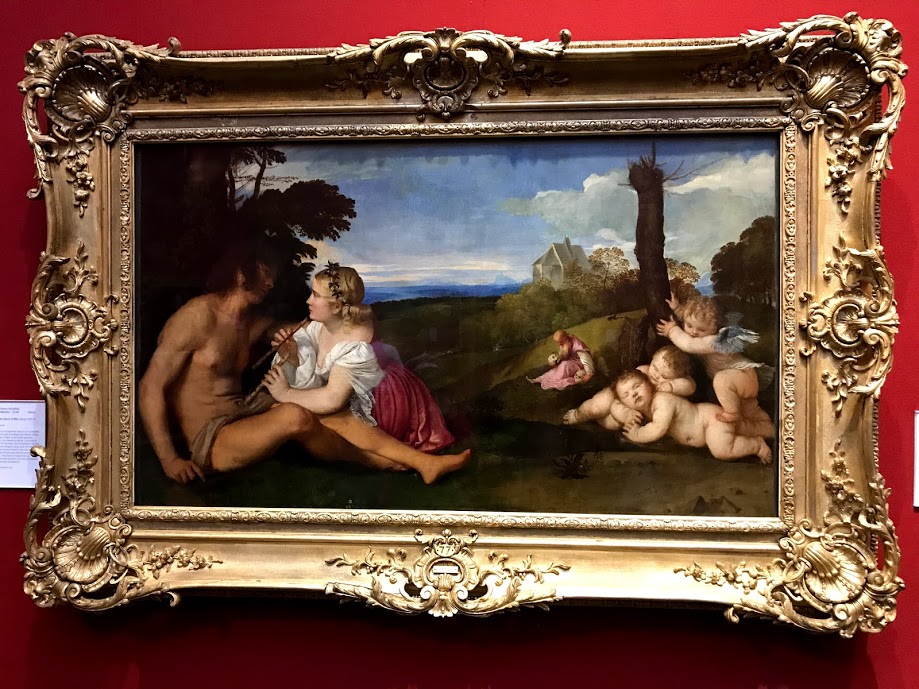
The first piece that struck me was Titian’s Three Ages of Man. A simple concept, but masterfully executed in my humble opinion.
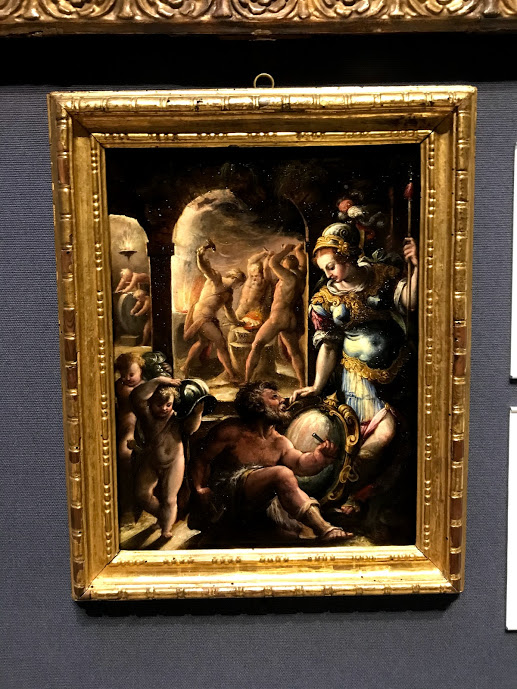
Jacopo Zucchi- The Forge of Vulcan, c. 1565, Oil on Tin 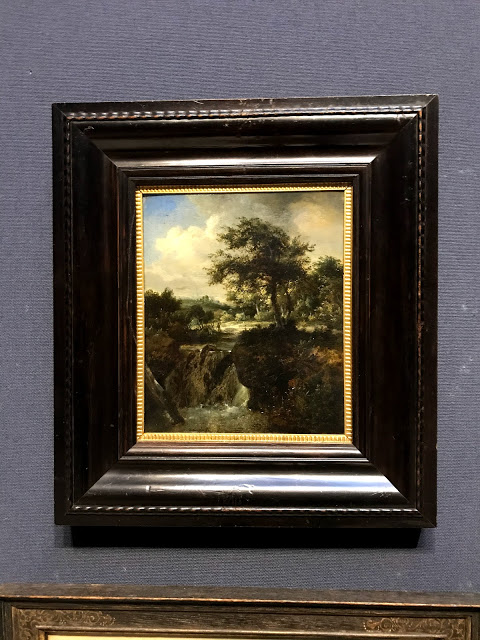
Meindert Hobbema- A Waterfall in a Wood, c. 1660, Oil on Panel 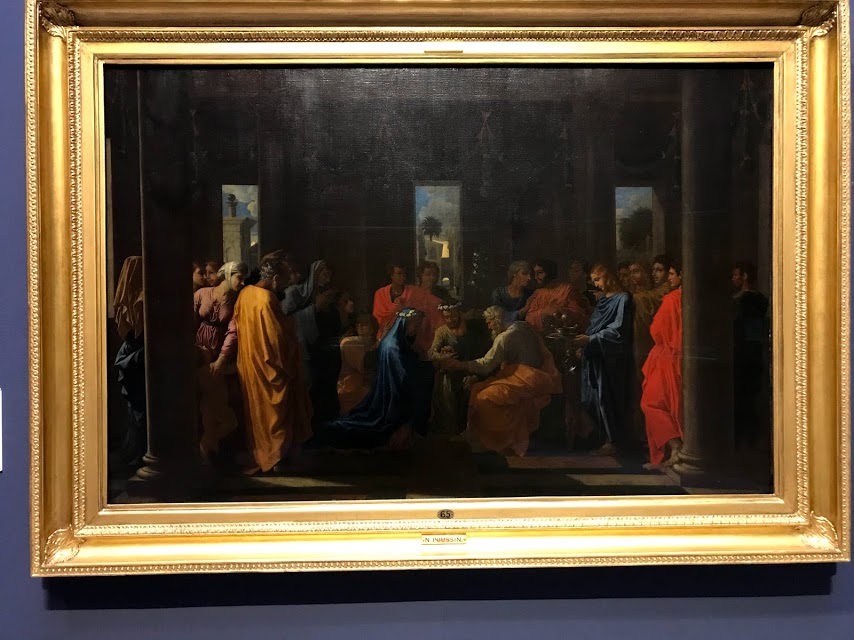
Nicolas Poussin- The Sacrament of Marriage, c. 1647, Oil on Canvas
These three works stood out as I continued walking around. I appreciated the motion and activity in The Forge of Vulcan, in contrast to the tranquility of A Waterfall in a Wood. In a room exhibiting Poussin’s renderings of the seven sacraments, I was drawn most to The Sacrament of Marriage.
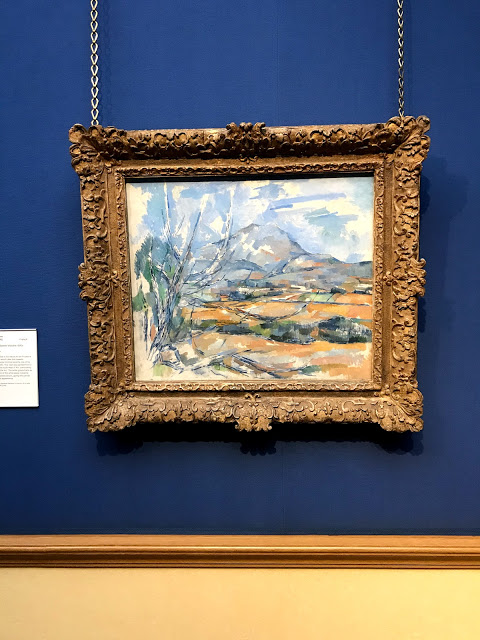
Paul Cézanne- Montagne Sainte-Victoire, c. 1890, Oil on Canvas 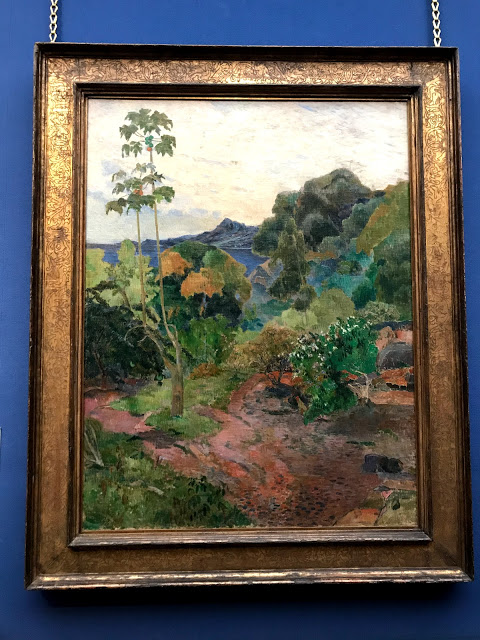
Paul Gauguin- Martinique Landscape, c. 1887, Oil on Canvas 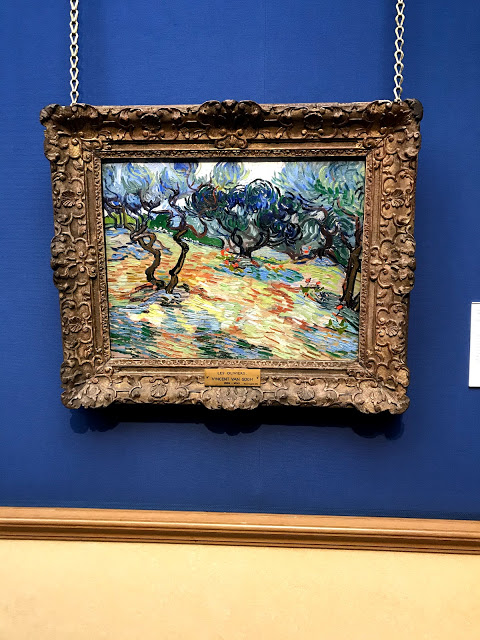
Vincent Van Gogh- Olive Trees, c. 1889, Oil on Canvas
The upstairs gallery contains the gems of the museum: the impressionist collection. Cézanne’s landscape from Aix-en-Provence is stunning in ways that an iPhone camera can’t capture, but even on the small screen it’s beautiful. I loved the colors of Gauguin’s landscape, but unfortunately Monsieur Gauguin was done the disservice of having his work hung next to Van Gogh’s. Olive Trees is confusing and disorienting, which, according to the description, was exactly what Van Gogh had intended.
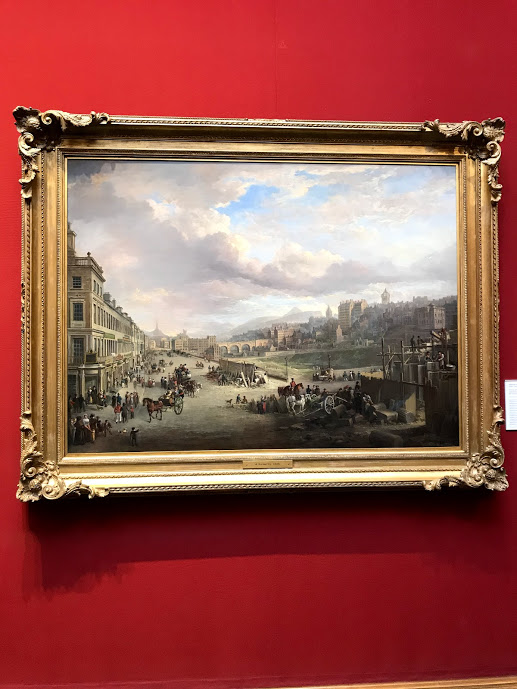
Alexander Nasmyth- Princes Street, c. 1825, Oil on Canvas 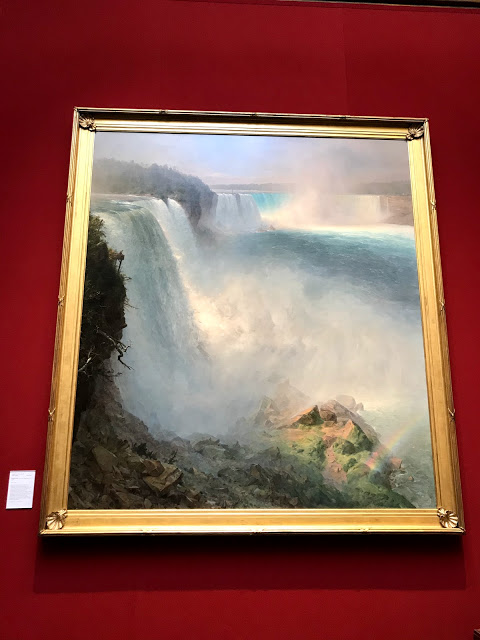
Frederic Edwin Church- Niagara Falls, c. 1867, Oil on Canvas
Princes Street is very ‘meta’ in the sense that the vantage point of the painting is just outside the National Gallery. You can look at the painting, walk out the main doors of the museum, turn right, and see nearly the exact same shot, almost 200 years later.
Niagara Falls is flanked by landscapes of the Scottish highlands, so I expected this to be some miraculous highlands waterfall, but alas, it’s Buffalo, New York.
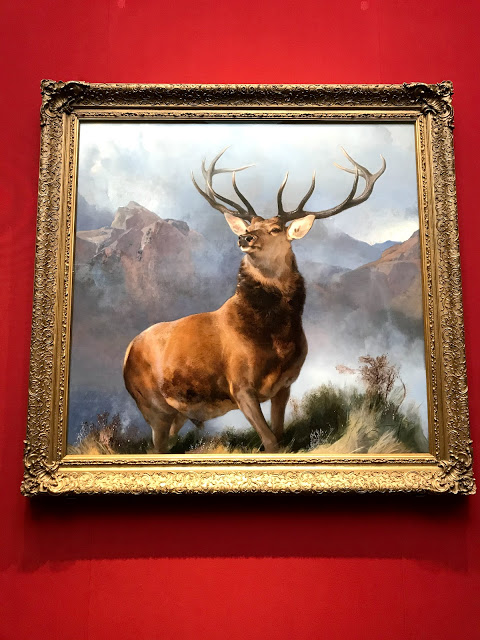
I’ll finish with the Monarch of the Glen. The ‘royal’ twelve-point stag symbolizes the beauty and majesty of the Scottish Highlands, which I will be seeing next week when Olivia comes to visit! I can’t wait! Many blogs to come!
 Emlyn in Edinburgh